April 28, 2026
EP 3 Max Dubiel
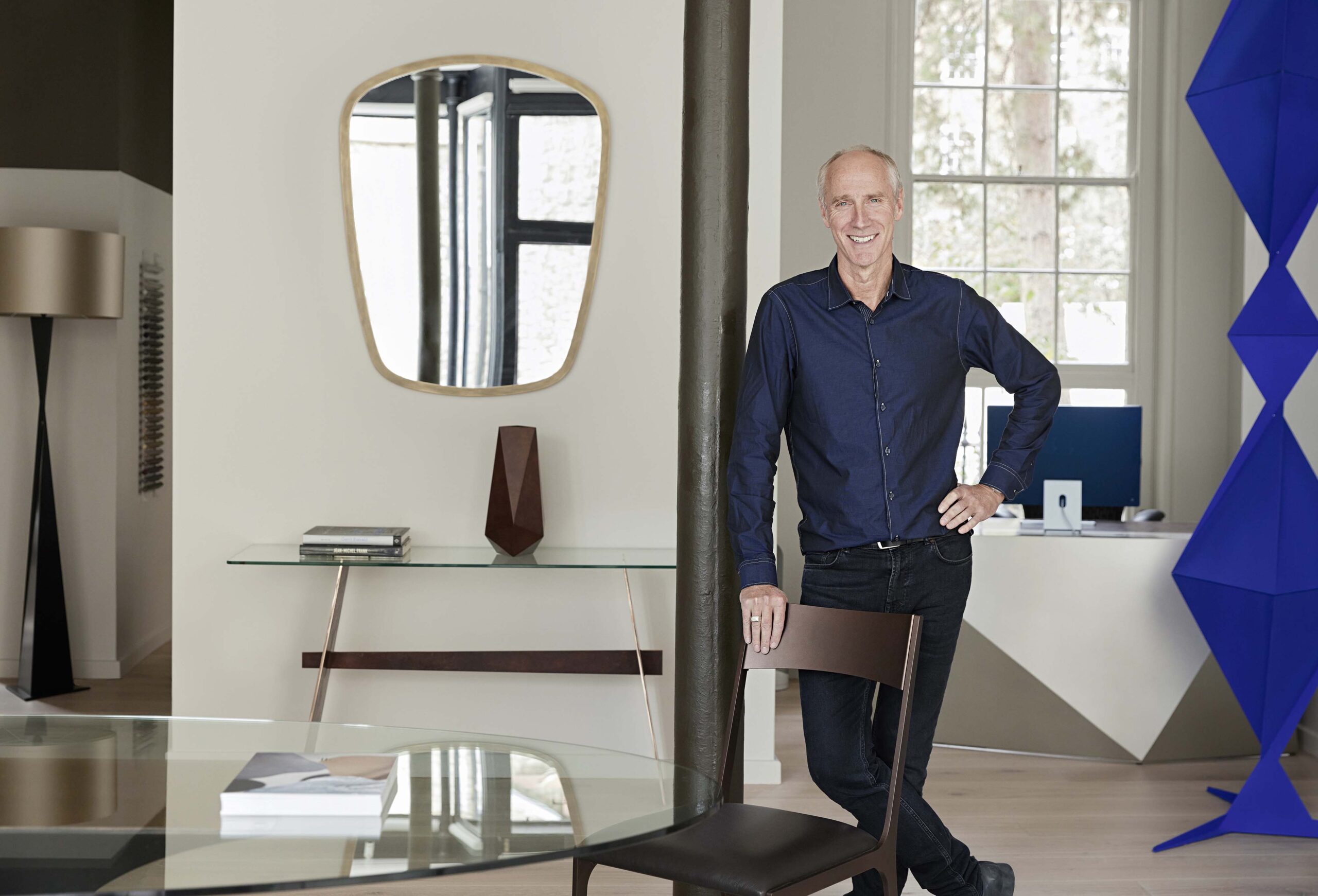
Max Dubiel co-founded Black Sheep Coffee before going on to build Redemption Roasters. But despite all he has achieved, entrepreneurship wasn't something taught to him as a child.

Searching for something in particular? Browse our best sellers!
Max Dubiel co-founded Black Sheep Coffee before going on to build Redemption Roasters. But despite all he has achieved, entrepreneurship wasn't something taught to him as a child.



Max Dubiel co-founded Black Sheep Coffee before going on to build Redemption Roasters. But despite all he has achieved, entrepreneurship wasn't something taught to him as a child. He was raised by two German academics whose dinner table conversation ran more to politics than business - secure employment was the ambition, and risk didn’t really feature. Their careers took the family from Italy to America before Max attended St Andrews University, where he found a more permanent sense of belonging and threw himself into all student life had to offer; organising the Oktoberfest, running a jeans brand from his student room, and forming friendships with a group of people who would later become his business partners.
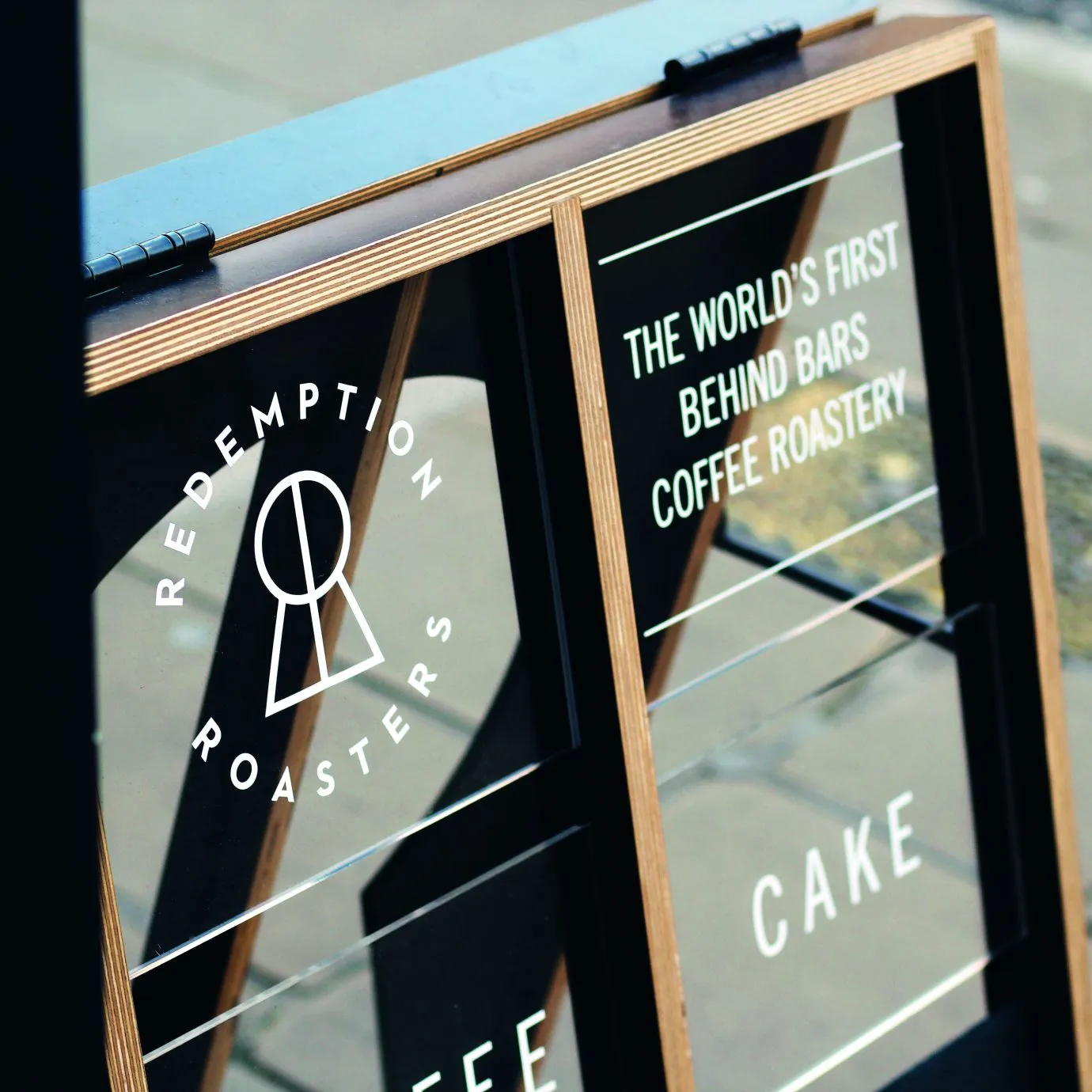
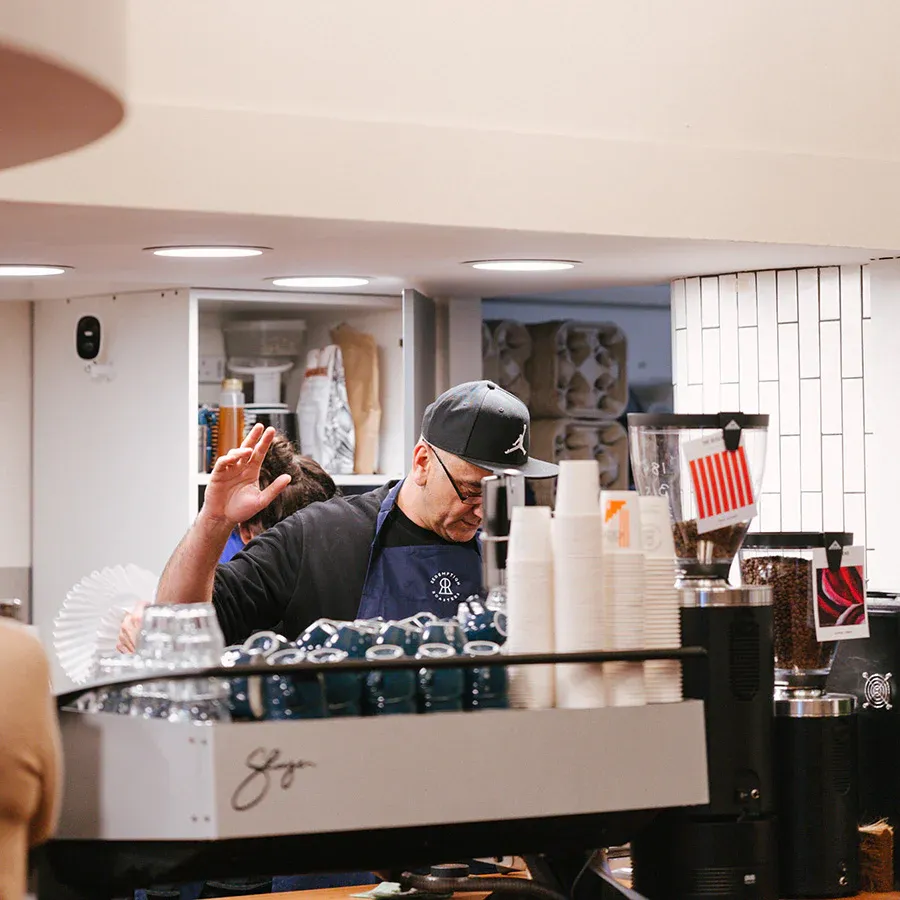
Among them was Ted Rosner, and together they built a company with one clear aim - to reduce reoffending through coffee. Redemption Roasters began as a conversation at a trade show, where a representative from the Ministry of Justice asked whether inmates could be trained as baristas. Max took it a step further, proposing something no one had tried before: a roastery inside a prison. Residents are trained behind bars and, on release, given the opportunity to work in Redemption’s twelve coffee shops across London. What started at HMYOI Aylesbury has since grown into a commercial-scale operation, with a roastery now in Wembley, over 1,700 prison leavers through the programme, and reoffending rates among participants sitting well below half the national average.
There is something interesting about a coffee company with roots inside a prison. Coffee is as domestic as it gets - a warm morning ritual that belongs to breakfast tables and the quiet start of a day. A prison is the deliberate removal of every part of that. Max still remembers the feeling of walking into one for the first time, struck by the locks, the gates, the sense of crossing into somewhere entirely removed from ordinary life. Discomforting as it was, he knew he was free to leave when he liked. The inmates he works with will eventually have that same freedom. Redemption exists to make sure that when they do, there is somewhere secure and worthwhile to go.
He has seen the impact it has on people and doesn't underestimate that, but he is careful, too, about making it sound noble. It was an opportunity first, something that felt genuinely exciting, and the changed lives were a consequence of its success. A reminder, perhaps, that profit and purpose have always been able to coexist - a blueprint more businesses could stand to borrow from.